
Art in Action
The Center for Artistic Activism teaches imaginative protest
by Nancy Allison
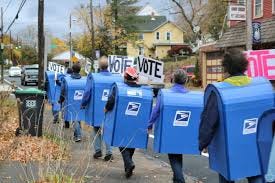
In 2020, in Southern California, the Compton Cowboys rode en masse on horseback to vote. Meanwhile, in Pennsylvania, Spiral Q created dancing USPS mailboxes to celebrate the right to mail-in ballots. In Arizona, members of Emergency Circus, in full circus gear, encouraged poll workers by dancing all the way to the polls. All three groups were part of the Unstoppable Voters Project, one of many innovative ideas from the Center for Artistic Activism (CAA).
“Anywhere there is an effective movement,” says artist-activist Steve Lambert, “there is creativity and art.”
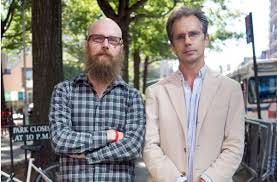
Lambert co-founded CAA with NYU sociologist Stephen Duncombe. The group grew out of another original idea. In November 2008, Lambert helped create a utopian special edition of The New York Times. Changing the paper’s tagline to “All the news we hope to print,” writers and visual artists created stories for the fictitious edition dated nine months in the future. The utopian Times featured news from a world we’d like to see: the end of war with Iraq, a maximum wage, free university education, a Treasury bill ensuring prosperity for all. Over 80,000 copies were printed and handed out to passersby for free.
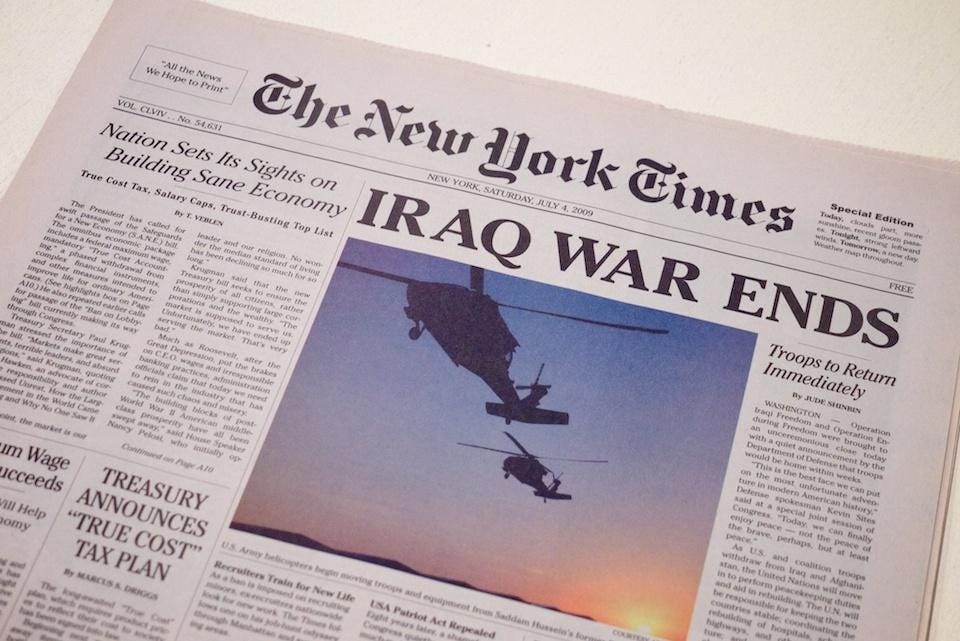
“If only,” said some. “What if,” said others. And this, Lambert says, is the whole point of artistic activism. If you can show an alternative narrative, surprise people, encourage them to stop, think, and feel something, you can foster action.
At CAA, fostering action is exactly the point. Since 2009, the non-profit has helped grassroots groups in 23 countries on six continents create events that move people and lead to change.
According to Lambert and Duncombe, social science research proves what we already know in our bones. Art is powerful. It connects people, helping us express feelings and ideas we can’t put into words. Art surprises and engages us, gives us respite and hope. And it can help us to speak truth to power.
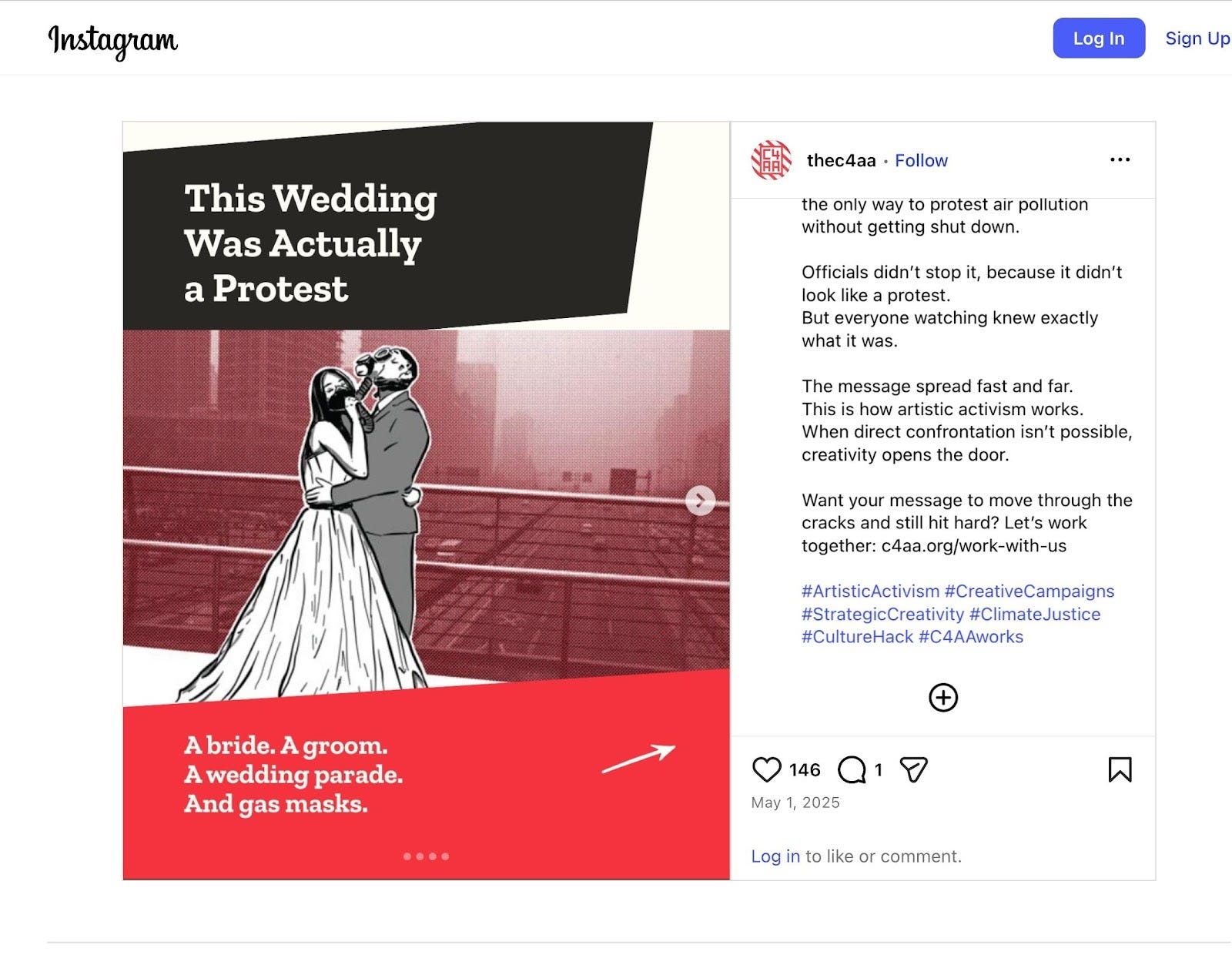
CAA has consulted with activists from South Africa to the Balkans, from Albania to Ghana. In some countries where CAA works, activists must be creative in order to protect themselves, because blatant protest is illegal. To address the problem of terrible smog in Chongqing, China, for example, a street performance featured a wedding couple in their finery— wearing gas masks. “It was a novel, creative route to protest the government’s negligence, one that got under the wire,” co-founder Duncombe said. “When direct confrontation isn’t possible, creativity opens the door.”
Raising awareness isn’t enough
We are used to thinking that words will convince people to change. But information is less likely to play on the heartstrings than a performance, image, or spectacle. When’s the last time a Powerpoint prompted you to bark out an unbidden laugh, snort in sarcastic recognition, or gasp in shock?
“For me, activism is how we bring about changes in power,” says Duncombe. “Lots of people think it’s in the head: if we tell the truth things will change, if we give information things will change. But why did we become activists in the first place? Because we felt something.”
CAA offers three things to remember when planning artistic activism: First, make your audience think. Next, make them feel. Finally, encourage them to do.
“If you can find something that resonates deeply with people,” Lambert says, “you can gain attention, reenergize them, and win.” Lambert, Duncombe and other members of the team teach the methods, but the groups they advise then take them and run.
“Because of the wildly different geographic and social makeup of these groups, our curriculum really has to work as a framework that can be adapted locally,” says Duncombe. You can’t drop-in to Kenya or Texas or Scotland and use a one-size-fits-all model. Culture is the resource, the raw material we work with and culture is local.”
Let’s be clear. Artistic activism is not only for artists. It’s about tapping into the creativity that each of us has inside. It calls for imagination, experimentation, and a sense of humor, in order to think differently about the tactics we use in our events and campaigns. In the Center’s two-day workshops, “we demystify the method,” says Lambert. “We tell people to think about what you want to happen and work backwards from there.”
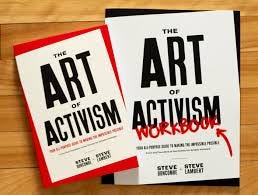
Lambert and Duncombe present their methodology in their book The Art of Activism: Your All Purpose Guide to Making the Impossible Possible. But if you can’t wait to get started, dig into their website. There you’ll find interviews with artist-activists, creative resistance podcasts, worksheets from past trainings, webinars and a database of artistic activist events from all over the world. The website’s resources page offers free campaign kits and PDFs. Lambert is also working on interactive tools with exercises that will be announced in the organization’s newsletter.
CAA also has a monthly Zoom meeting to energize and inspire. I attended one last month called “Finding Creativity When the Work Gets Heavy: How Imagination Can Help Keep Us Going.” I heard about how we all get stuck and picked up some great tips for staying creatively motivated in these difficult times. You can access the Zoom here.
Have you participated in artistic activism? Tell us about it.
If you have used or are planning an event using creative resistance, tell us about that too. We’d love to hear from you.
This is terrific. Saturday was my birthday, and I celebrated it by making ICE OUT origami butterflies with an Indivisible art build for NO KINGS in Oakland. It was fun, energizing, and therapeutic. I'm a ceramic artist who is beyond disgusted with the fascist Trump regime. It was empowering to make art with people who feel similarly. The butterflies will be attached to sticks and given out to marchers. They will become part of a larger installation to be constructed at the end of the march. I'll be marching on the 28th, but in a different state. It is wonderful to feel that part of me will still be part of NO KINGS here in Oakland.