
Calling All Seniors
When we vote, we are heard; a plan of action
By Judy Loeb, Mary Mulvihill, and Susan Wagner
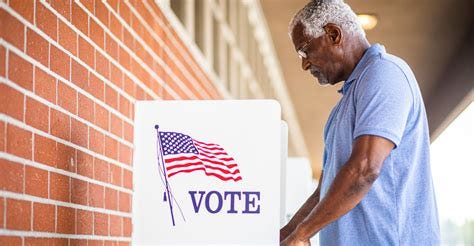
For decades, older Americans have been the backbone of American democracy. Election after election, seniors have voted in greater numbers than almost any other age group. Candidates knew it. Political parties respected it. Public officials understood that if they ignored seniors, they did so at their own peril.
This year feels different.
Across America, “We the Seniors,” an umbrella organization connecting senior grassroots organizations across the country, is hearing a sentiment we have rarely heard before: fear of voting.

Seniors across the country are voicing concerns. We worry we may have been removed from voter rolls. We are confused about changing election procedures. We are uncertain about identification requirements, vote-by-mail rules, polling places, and transportation. Some of us worry that we will be challenged at the polls or embarrassed by questions we may be asked and can’t answer. What we once did with confidence and pride now makes us hesitant and fearful.
Our experience reflects a broader national trend. Recent polling has found that many Americans are increasingly concerned about election administration, voter access, and the voting process itself. A national PBS NewsHour/NPR/Marist poll found that many Americans worry about voter fraud, while an even larger percentage worry that eligible voters could be prevented from voting. Other national polling has similarly found widespread concern about both election integrity and voter disenfranchisement. The Brennan Center for Justice has extensive documentation about voter intimidation, threats to election workers, and efforts that can discourage participation. The Global Project Against Hate and Extremism survey found that many Americans are concerned about political violence, threats at polling places, and election security.
That is why “We the Seniors” is launching a nationwide campaign encouraging every organization serving seniors to help prepare seniors to vote. The decisions Congress makes over the next two years will shape retirement security, healthcare, caregiving, and economic stability for millions of older Americans.
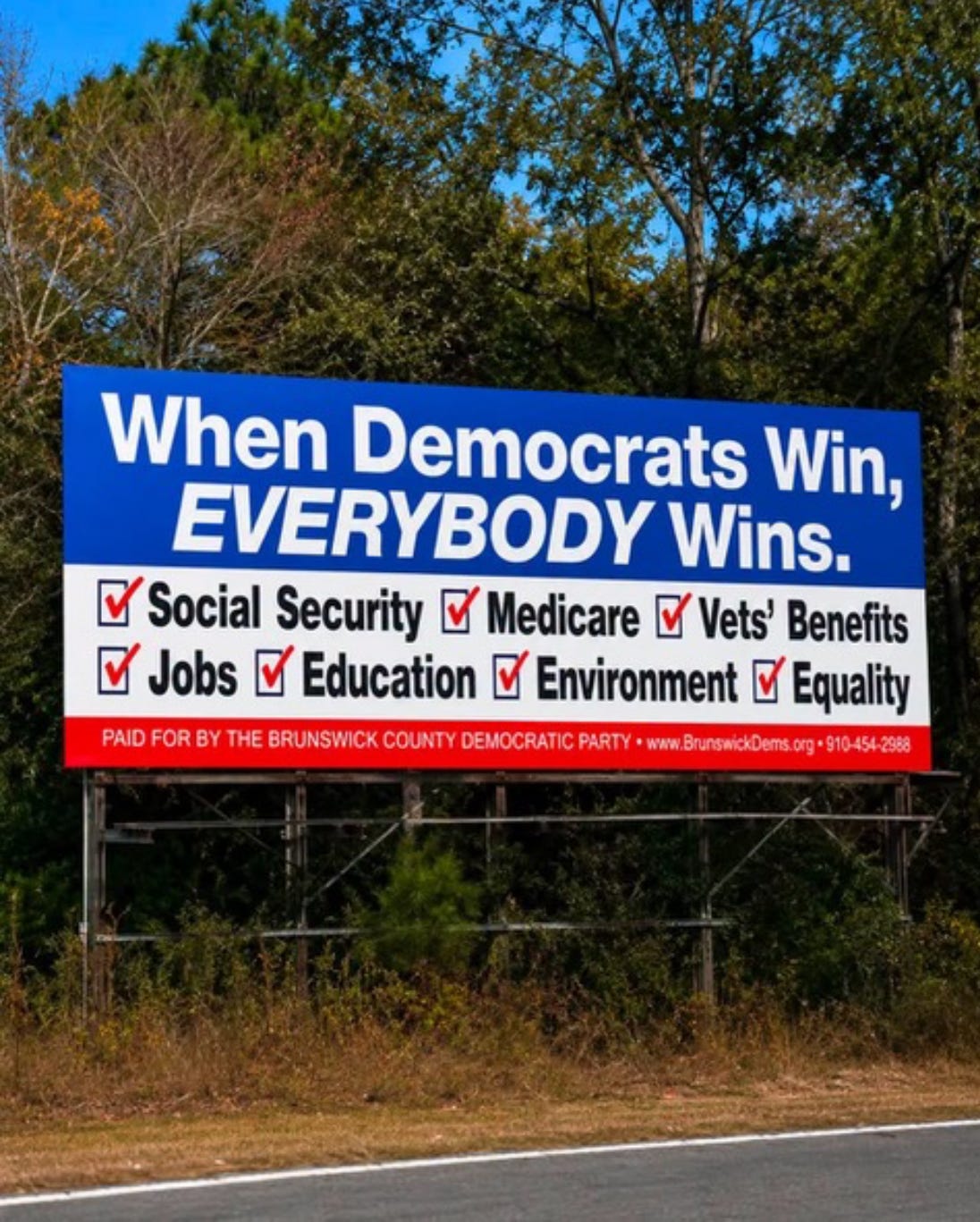
Here are just a few reasons why seniors need to be alerted to what is at stake in the upcoming midterm elections.
Congress will almost certainly address Social Security’s finances before the projected Trust Fund shortfall early in the next decade. Party leaders in control of the House and Senate will strongly influence how Congress addresses that challenge—whether through higher revenues, changes to benefits, changes to the retirement age, some combination, or allowing a default to automatic benefit reductions.
Medicare is also on the line. Issues likely to be debated include: prescription drug costs; physician reimbursement; access to specialists; rural hospitals; and coverage for preventive care. In addition, many Americans don’t realize that Medicaid—not Medicare—is the primary payer of long-term nursing home care. Cuts to Medicaid funding could affect the cost of nursing home care and assisted living for aging and disabled seniors. Older Americans consistently rank healthcare costs among their biggest concerns. Here are just a few reasons why seniors have so much at stake in the upcoming midterm elections.
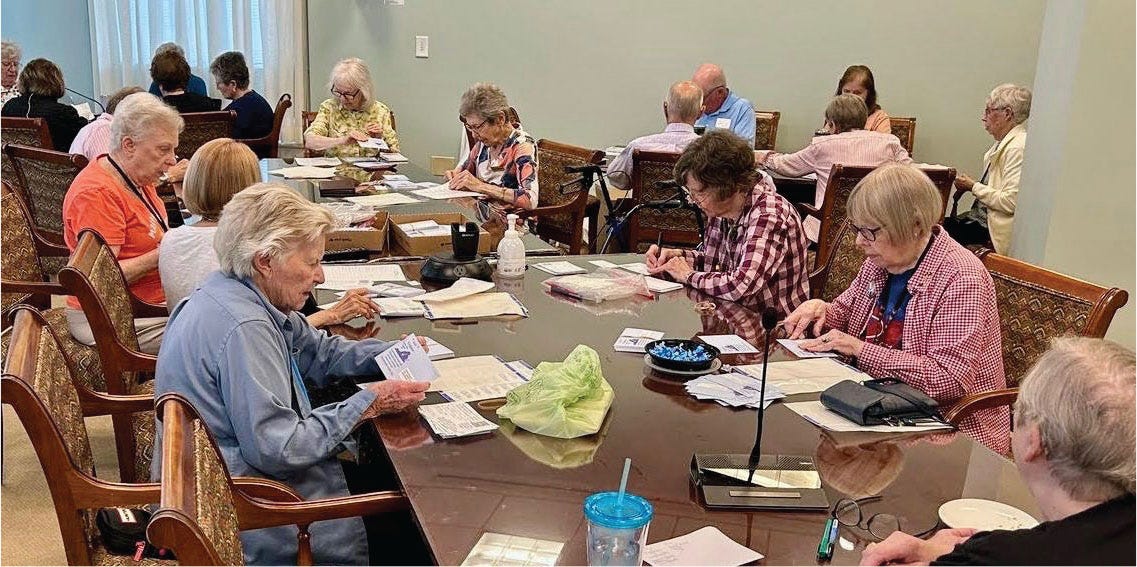
Churches, synagogues, mosques, senior centers, assisted living communities, retirement communities, veterans’ organizations, civic associations, libraries, and neighborhood groups all have an important role to play. These groups can connect the dots, helping seniors identify candidates who will preserve, protect, and expand their benefits, and confirming that they’re registered and have a convenient way to cast their ballot As a grassroots organizer, you can help to spread these useful preparatory steps throughout your community and encourage others to do the same.
Our goal is to replace fear with preparation, confusion with information, and uncertainty with confidence among seniors faithful to democracy and rule of law.
Five Important Things You Can Encourage Seniors To Do Right Now
1. Verify Voter Registration
Seniors often move, so let’s make sure they are registered where they plan to vote. Simply because voters cast a ballot in previous elections does not mean their names will appear in the 2026 voter rolls. Encourage seniors to verify they are on the list now, while there is still time to correct any problems. The state’s Secretary of State website is a good place to start.
2. Have A Voting Plan
Encourage your members, friends and family, to decide whether they will vote early, vote by mail, or vote on Election Day. Research consistently shows that people who make a specific voting plan are more likely to vote.
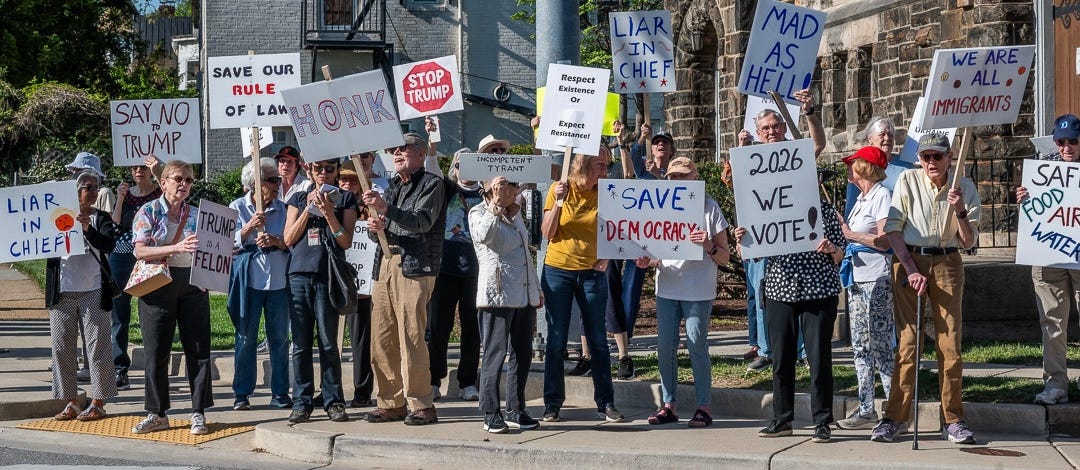
3. Learn The Voting Rules
Help people access information regarding registration deadlines, identification requirements, polling location, and the state’s rules for early voting and voting by mail. Accurate information replaces uncertainty with confidence.
4. Help Another Senior
Call a friend. Check on a neighbor. Offer transportation. Share reliable information. Ask one simple question: “Do you have a voting plan?” One conversation may make all the difference.
5. Spread the Word
Share this article. Discuss voting at meetings. Include reminders in newsletters. Post information on bulletin boards and social media. Encourage every senior to help one other senior prepare to vote. When information spreads through trusted organizations, confidence grows.
It seems that everything is being done to dampen the resolve of seniors faithful to democracy and rule of law. Bad actors rob us of our faith in the system and scare us into not availing ourselves of our most fundamental right; a right we have exercised throughout our lifetimes.
When We Vote, We are Heard.
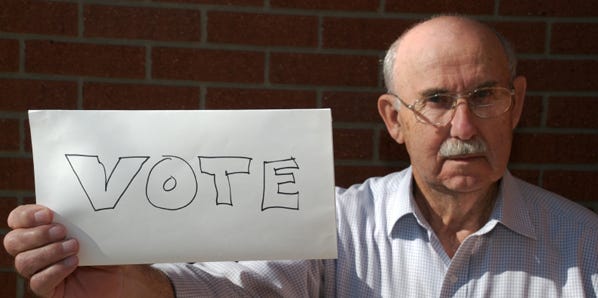
Judy Loeb and Mary Mulvihill are co-founders of We the Seniors. They were guests on It Needs to Be Said in December 2025, when they talked with one of their fans and champions, Susan Wagner, about their coalition and plans.
Seniors and all our Connector subscribers are invited to It Needs to Be Said on Thursday July 30 at 8 pm eastern to hear from VoteRiders, experts in managing compliance with voter ID requirements.
A reader recommended the following resources: Iwillvote.com and state and national voter protection hotlines such as 866-OUR-VOTE (866 687 8683), which offers assistance in several major languages. Of course online there are many resources and volunteers are needed. You don’t need to be a lawyer: training is provided. Protectthevote.net
This article is applicable to our immigrant citizen community, too. Many do not vote or even register to vote because they are not sure of the procedure. I will be a poll worker for the first time on election day. After many years as a poll watcher, I decided that I should have a closer look. Mind you I have never observed anything nefarious while poll watching.
Excellent post. I’m going to forward this to my friend here in Montana who lives in Salt Lake. She said she and her friends feel isolated because Utah is so Republican.