
Data as If People Mattered
Moving towards people-centric organizing software
By Susan Labandibar
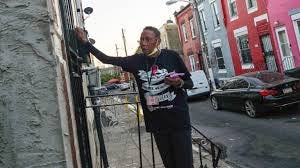
It was Election Day 2022 and I was in Reading, Pennsylvania knocking my very last turf for the John Fetterman campaign. I didn’t talk to a single voter. Why? My assigned targets were behind locked doors in apartment buildings with no intercoms. My time that day was wasted.
“We are operating on data organizing models that are not serving us to win anymore,” says Julia Barnes, Executive Director of The Movement Cooperative (TMC), a shared technology and data infrastructure organization whose 90 members include Swing Left and Indivisible. One of the main problems, Barnes says, is that our technology systems are built from the ground up to prioritize the quantity of contacts over the quality of relationships.

At the heart of the Democratic technology stack lies NGP VAN, the software campaigns and organizations use to contact voters, manage volunteers, and raise money. NGP VAN was originally seen as a major asset for Democrats because it created a central database for local, state, and national campaigns. Now, however, this creaky software controlled by private equity investors (some Republican!) stands in the way of campaigns and organizations who want to improve the way we listen to voters, serve volunteers, and collaborate with others to build long-term relationships in our communities.
The Volunteer Experience: Cog in the Machine
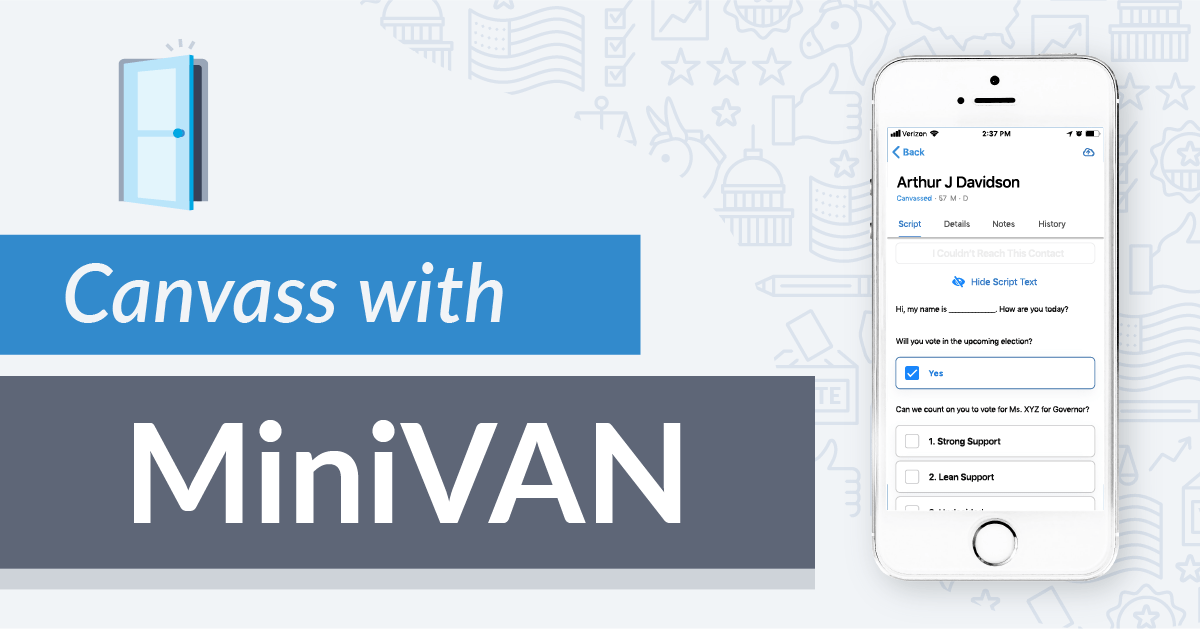
Almost anyone who has volunteered on a Democratic campaign has encountered NGP VAN via MiniVAN, the canvassing app that provides volunteers with a narrow glimpse into the universe of voters targeted by a campaign. MiniVAN does not have much to offer organizers who hope to build relationships with voters in their neighborhood. Crucial information such as previous voting history, prior engagement notes, and vital status updates are missing by design.

Nor does MiniVAN succeed as a data collection tool. It contains no provisions for dealing with common situations, such as registering a voter, changing an address, or setting up a reminder to follow up with someone who has a question.
By way of substitution, there is an open text field where diligent canvassers can take notes, but information entered into this field is shunted onto a side rail inside the database and is not included in any standard reporting process. So usually no one looks at the notes.
Because the system is not designed to develop voter profiles based on face-to-face conversations with voters, campaigns rely on proprietary “voter scores,” some provided by for-profit vendors. For example, there’s a DNC “malaise” score. It would be helpful for canvassers to have advance knowledge that a voter might be disaffected from the Democratic party before attempting to engage with them.
The deeply satirical film, Irresistible, directed by Jon Stewart, includes a scene that illustrates the pitfalls of prioritizing data points over personal contact. The plot centers on a DC-based political consultant who is lured into getting involved in a small-town mayoral race. His crackerjack data team, holed up in a room in the campaign office, identifies a dense cluster of single women at a single address. The team instructs canvassers to flood the building with pro-reproductive rights literature. It turns out that the building is a convent. The nuns who show up at the campaign office make it clear to the candidate that they are deeply offended.

The Voter Experience: Over Contact and No Contact
It’s not just nuns who are affected by the depersonalization of the voter contact process. All voters suffer the consequences. In swing districts, election seasons can resemble Groundhog Day. Well-meaning canvassers appear at the same doors asking the same questions: Do you support the Democratic candidate? How likely is it that you will vote? What’s your plan to vote?
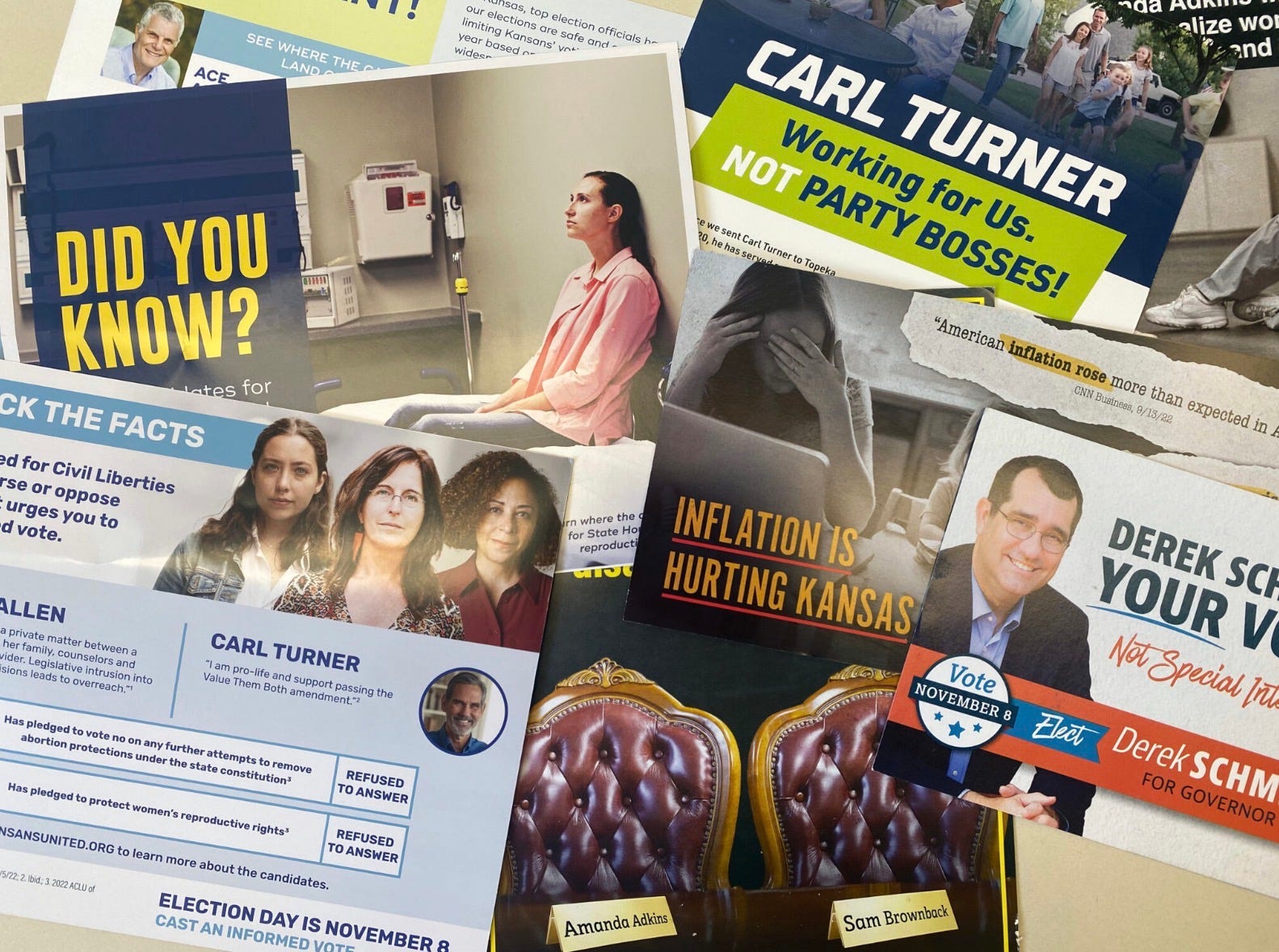
Voters who still answer their phones are subjected to the same drill. Mobile phones fill with campaign texts. Mailboxes overflow. During the last presidential election, one Pennsylvania family in a competitive congressional district received 27 pounds of campaign mail.
The paradox is striking: While some voters are over-contacted, many others receive no contact at all. Despite the enormous resources devoted to voter outreach, the voter file is missing large numbers of potential voters, and much of its information is inaccurate.
One reason is simple but profound: NGP VAN is not designed to engage people who are not registered to vote, or those who are registered but no longer live at the address on file.
For canvassers, this means walking past households where relationships might begin. For phone bankers, it means being unable to record or follow up on conversations with someone who answers the phone but is not the listed voter. The system filters out some of the very interactions that might expand the electorate.
Building the Next Generation of Organizing Tools
For fifteen years, national progressive groups have been locked into a system of mergers and acquisitions that has concentrated control of political data tools in the hands of very few. The lack of real competition in the political tech space has stalled innovation, inflated costs, and disconnected data from organizing strategy.
In the long run, The Movement Cooperative’s goal is to enable members to choose more freely (or build their own!) software tools, with voter data flowing to and from a centralized data warehouse as opposed to living in siloed tools. To bolster choice and foster close partnerships with other value-aligned tools, TMC has recently announced a partnership with a 14-year-old Action Network, a nonprofit created following the Occupy Wall Street movement to provide email, fundraising, and advocacy tools for unions and non-profits.
For Barnes and others, the significance of this shift goes beyond any single platform. It signals an effort to build an ecosystem of tools designed to support real conversations, real learning, and real relationships—the human foundations on which effective organizing ultimately depends.
One thing is certain - the technology used by grassroots volunteers will change. Will these new tools tell us, before we knock on the door, what we need to know to have an authentic conversation with that voter? Will we be able to record that information in such a way that it enables our team to maintain a relationship with that person moving forward? We may need to be a louder voice for change of the sort Julia Barnes champions: Treat voters and volunteers as people first, with data in service of relationships.
Newer canvassing tools like Reach or Open Field make it so much easier to organize anyone and add them to your list.
Informative post and comments. I do wonder at the Dem addiction to churn and burn. I have blocked spam from a dozen campaigns in the last week. Everyone from George Conway to Ilhan Omar. And must have blocked 100 more texts from DNC and PACs. And I am a Dem core activist! CaB is alienating and violates core values Dems profess. No dignity. No respect. No transparency. And so I have no trust. Is this the way to build a majority? Apparently not. Churn and Burn may not have elected The Evil One, but it sure helped.