
Resistance + Voting
A Potent Recipe for Change
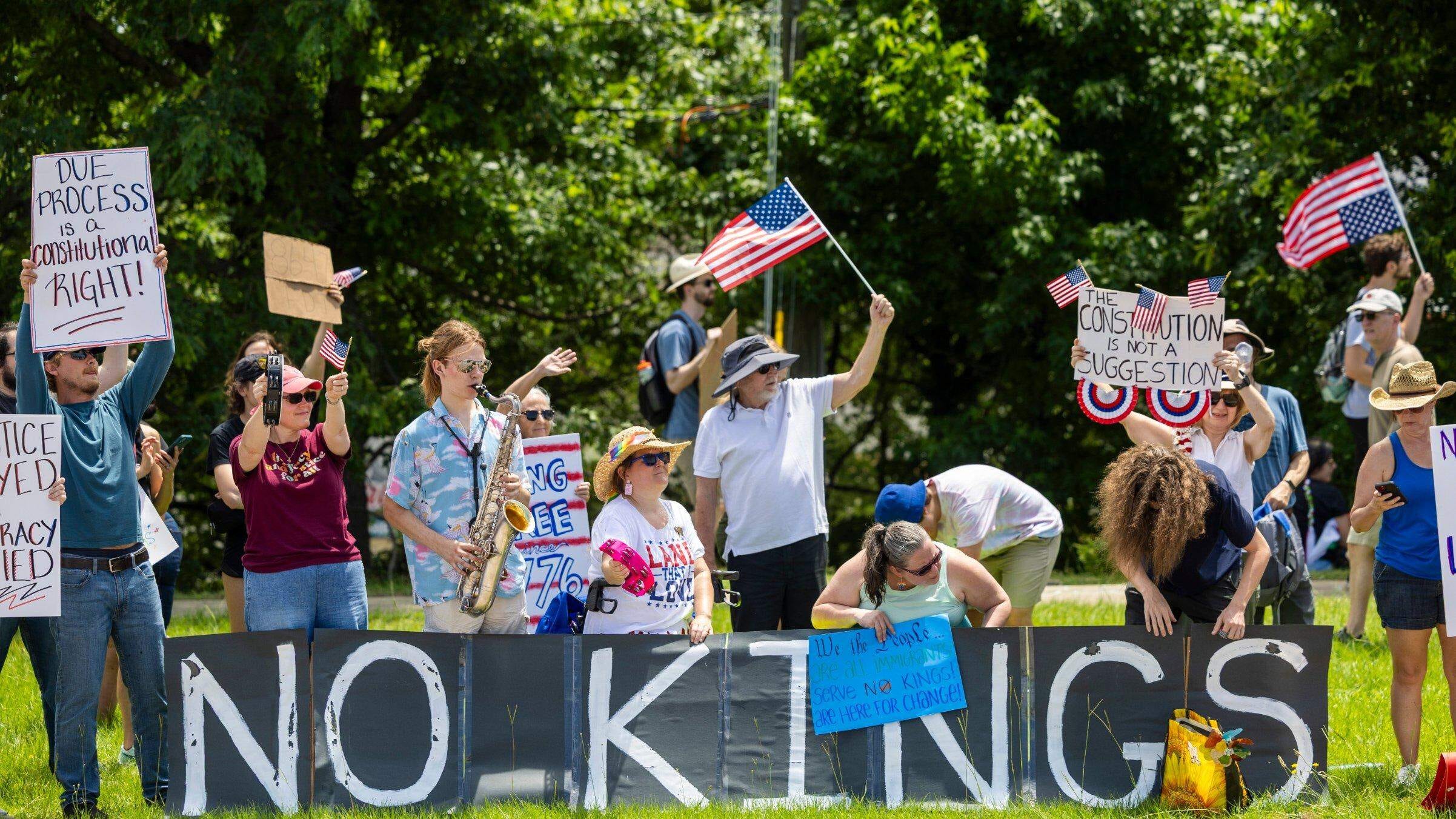
By Marilyn Hartman
On November 4, people across the country showed their displeasure with the Trump administration. And in North Carolina where I live, over 150 county and local offices flipped from red to blue! It felt like a miracle!
I’ve done my share of rejoicing, but MAGA is not yet defeated. As election lawyer Marc Elias writes in Democracy Docket: “History has taught us that this is precisely when Donald Trump is most dangerous — and when Republicans turn to voter suppression, election subversion and worse. With the 2026 midterm elections less than a year away, Trump is already plotting his next moves.”
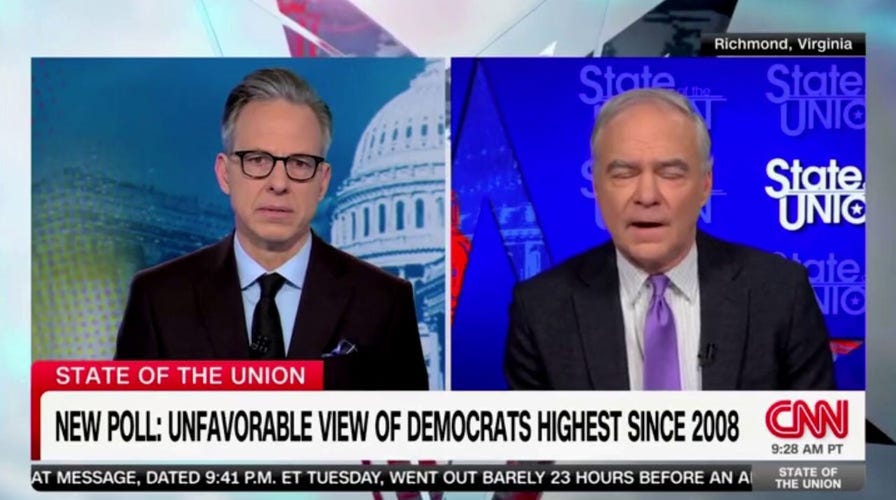
Thinking about next year, I pondered the polls showing the unpopularity of the Democratic Party. According to a Gallup Poll from October, only 34% of adults view the party favorably. People clearly want change, but most do not see the Dems as their political home. Both North Carolina and the US at large have more unaffiliated voters than Democrats, and new Republicans voter registrations regularly outpace Democrats.
The Democrats’ low polling contains a warning we should not ignore. It will take a lot of voter excitement and determination to overcome all the Trumpian pushback headed our way, especially in purple states like North Carolina. Hence, while many in the resistance are critical of Democrats, it seems prudent to bring all of us together, so that we will be united when we go to the polls again in 2026.
This overall strategy is clear, but we can accomplish more if our resistance and our voter engagement strengthen each other, melding into a more unified and powerful movement.
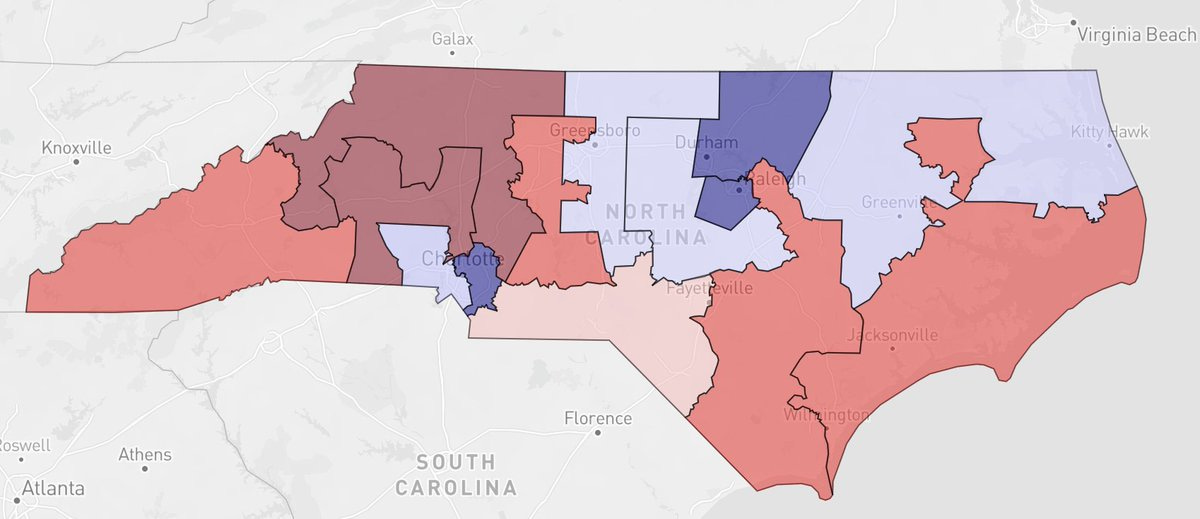
Voting Patterns in North Carolina
North Carolina is a battleground state with its own particular dynamics. Although the recent election offered hope, the results were not a full test of where North Carolinians stand. Small towns joined larger cities in becoming more Democratic, yet turnout was low. In addition, people living outside of municipalities had no elections. The 2026 midterms will be different, with a larger electorate more representative of the state. That will call for unity and focus.
The Resistance: A Tool for Building Voter Turnout
Durham’s No Kings Day on October 18 was the largest protest of the year, a joyful and relaxed event. Everyone was beaming, happy to be with so many like-minded people. Protest signs were uniformly anti-MAGA. Speakers were energizing. One after another urged people to vote, yet not one explained that we need to vote for Democrats!
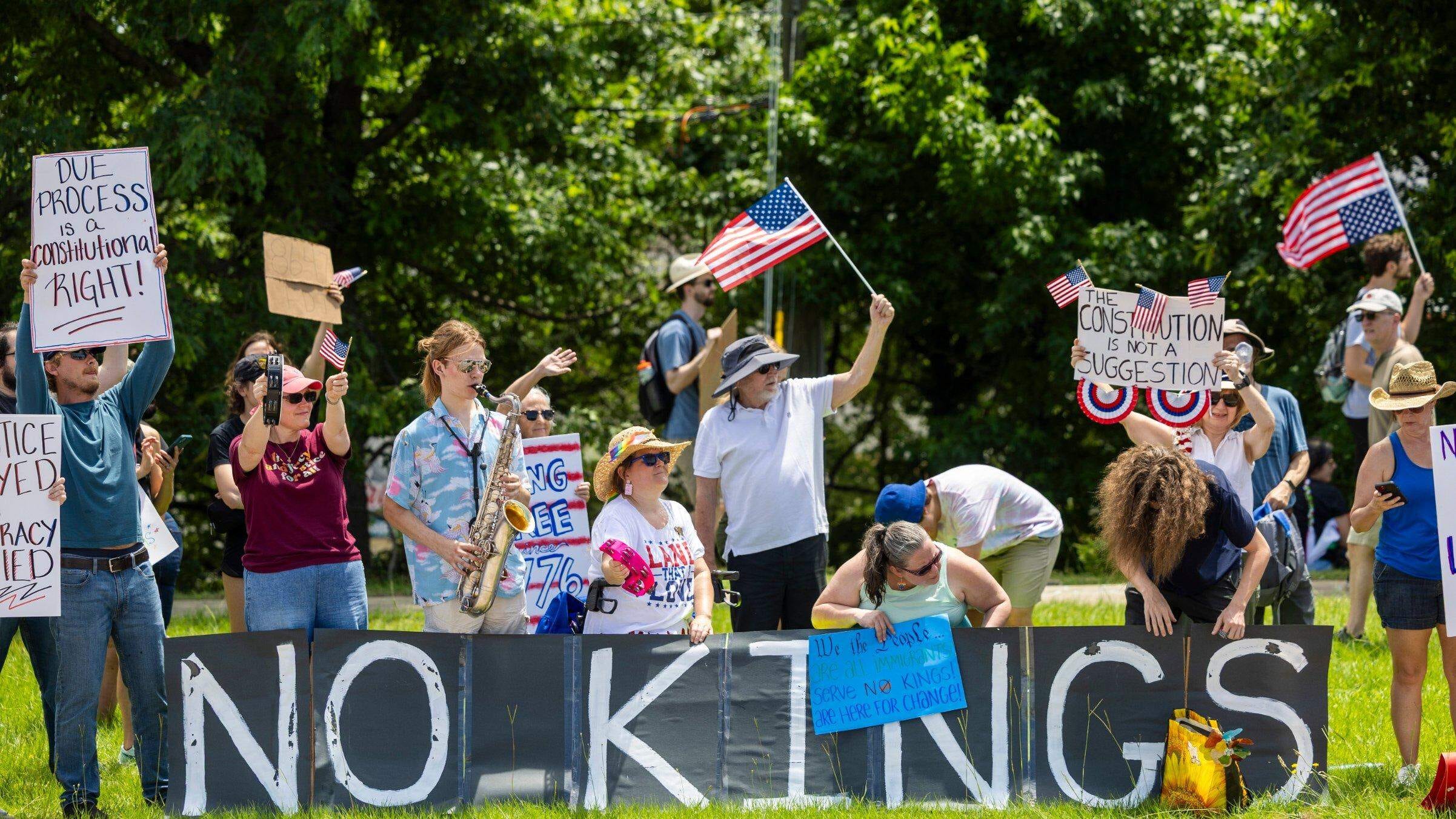
In solid-blue Durham, this might not have mattered this year. But next year, at the statewide level, it will matter. While I understand fears of tying the resistance to the Democratic Party, at some point protest leaders need to take the bull by the horns and face electoral reality. They need to speak plainly: “The Democratic Party is not just for Democrats any more.”
We need Democratic, Independent, and anti-MAGA Republicans to speak with one voice, urging unity at the ballot box. We need protesters to commit to voting Democratic, and we need to give them easy on-ramps for getting involved in voter registration drives and other organizing. As elections become a bigger focus, people must move from fighting against MAGA to fighting for a vision of the future. Both are important, but having something to hope for will give people more reason to stay engaged.
Electoral Work: Bolster the Resistance
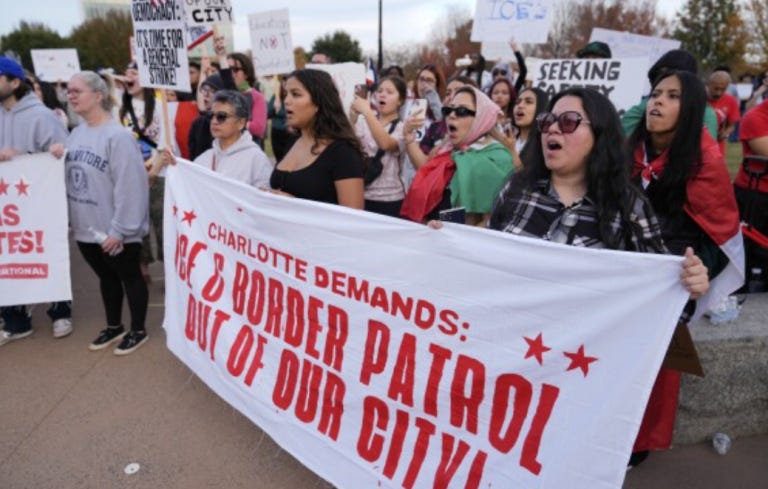
Traditional election work primarily aims to turn out voters. It typically targets people who are likely to vote for Democrats and provides information about the candidates and the process of voting. Most voter outreach does little to instill enthusiasm among voters who are discouraged or disillusioned with politics. This could change! We now have a grand opportunity to energize voters around our shared dislike of MAGA by engaging them in the resistance. We can invite everyone who wants to defeat MAGA to attend a protest, and we can show them how easy it is to contact elected officials using the 5Calls app.
In Durham earlier this year we talked to voters at their doors and at the Farmers Market, recruiting volunteers to make calls. Eighty people began making calls on the spot. I’ve been on phone banks using similar tactics, including patching voters through to elected officials. It works. I propose that we invite people into the resistance every time we talk to voters.
For voters who have not yet taken action to push back against the current administration, the resistance can seem disconnected from their everyday lives. Yet if we bring the resistance into our electoral work, we can talk about local events and show voters how to find information for themselves. When people get involved, they have more hope. Making phone calls is empowering, and the positive energy at protests boosts morale and bolsters the commitment to vote. Furthermore, every time we inspire more people to join us, the effects ripple out to family and friends. That’s how a movement grows, one person at a time.
An important but critical byproduct is showing voters that Democrats are fighting both with and for them. We can be the face of the Democratic Party, helping people associate Democrats with the resistance. When we show voters our passion and determination, we change perceptions of Democrats, changing the party’s image from the grassroots!
Resistance and Election Work Combined: A Potent Recipe for Change
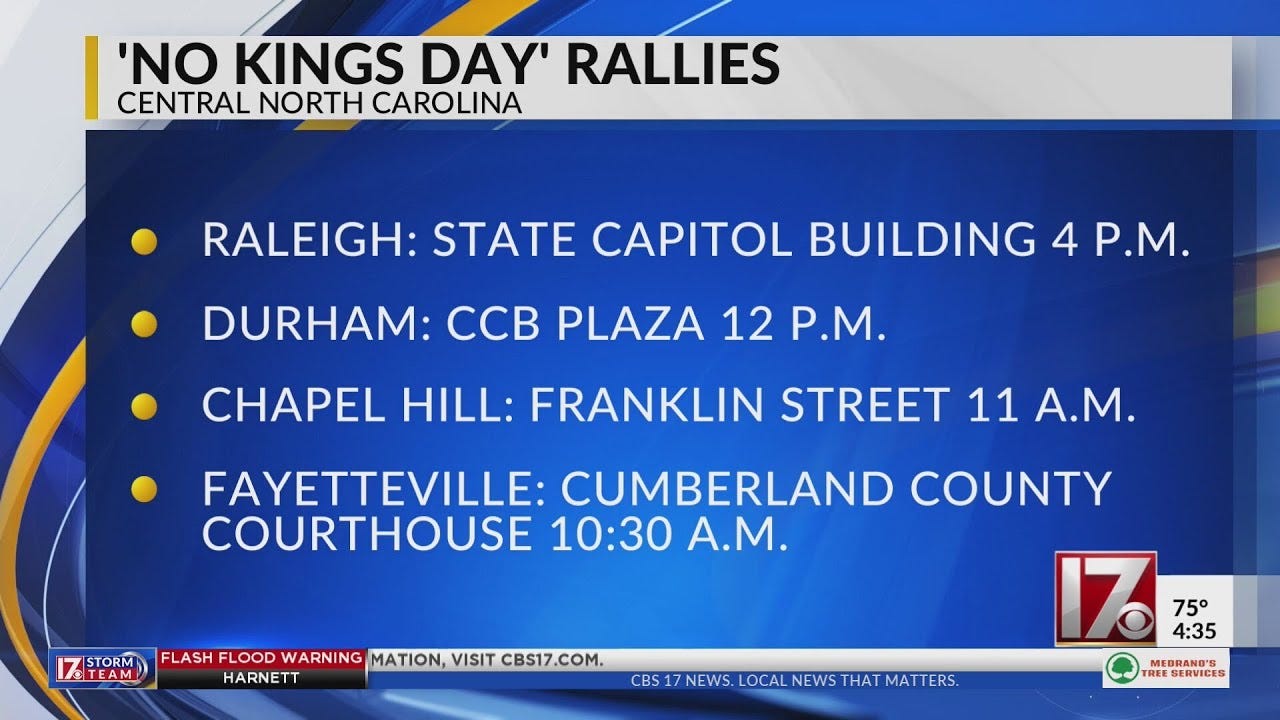
North Carolina presents an opportunity to turn the nation in a better direction. We have a healthy protest movement here. On the recent No Kings Day, protests were held in 70+ cities and towns. Durham has more than 20 small protests per week, with the size and number growing each month. Our Democratic Party also has a growing number of activist precincts. We are proud of having the highest municipal election turnout in the last decade.
If North Carolina can move protesters to become reliable Democratic voters and at the same time bring more voters into movement-building, we can strengthen both paths towards rebuilding our country. And both are necessary.
What potential for a win-win! Maybe North Carolina will emerge a blue state when we’re done with MAGA!
Marilyn Hartman is an activist in Durham, NC working for stronger community and social justice. She volunteers with grassroots organizations as well as the local Democratic Party to encourage voters to use the power of their vote and to empower fellow activists to increase our collective impact. Find more of her writing at . . .
and

Thanks for reading the Grassroots Connector! Subscribe for free to receive new posts.
Thanks for sharing this article from Marilyn. I have worked with her and found her to be a reliable partner who is not afraid to share the shortcomings but also notes the strengths. Kudos to the Connector and Marilyn for providing hope and a vision.
Living in Kentucky I belong to a statewide group that regularly works to register voters. I find when at registration events - college, Pride events, farmer markets- that most people are already registered. They just don’t vote! Sometimes it’s uncontested elections where only republicans have a candidate. But I do find many people just don’t know about the candidates and the election process.
The suggestion of asking people to get involved by doing any number of things is important. I’m going to suggest we do more of this very specifically. Remember to ask people to join us in the work.